Tour riêng
2 Days Kamakura & Tokyo Private Car Tour English Speaking Driver


Tổng quát
Ngôn ngữ có sẵn
48 giờ
Vé di động
Japan is among the top travel destinations in the world, with over 30 million visitors every year. We offer 2 Days tour
1 Full Day KAMAKURA Tour
2nd Full Day Tokyo Tour
in Japan and we show you rich cultural heritage, beautiful natural settings, historical sights, adventure activities, etc.
Our tour is fully customizable you can add or skip any place
Hassle free tour by car
You can stop on the way anytime if you like to take pictures of any place
Only your Group of family members will participate in Tour
Comfortable Van Type car we provide you.
Very professional English Speaking Driver we provide you who provides you information and brings all the best places
If you can not select your address in list then
Please write your address is special requirement option
Or book tour we will contact you & ask your pick up address
We pick from your address & bring on tour & after finish tour drop back your place.
Please provide you working phone number fir fast communication
Thông tin khác
Wheelchair accessible
Infants and small children can ride in a pram or stroller
Service animals allowed
Public transportation options are available nearby
Infants are required to sit on an adult’s lap
Specialized infant seats are available
Transportation options are wheelchair accessible
All areas and surfaces are wheelchair accessible
Suitable for all physical fitness levels
Chính sách hủy
For a full refund, cancel at least 24 hours before the scheduled departure time.
Cần Quan Tâm
Kamakura Full Day by Van Car
Kotoku-in (Great Buddha of Kamakura)
The temple is renowned for The Great Buddha of Kamakura (鎌倉大仏, Kamakura Daibutsu), a monumental outdoor bronze statue of Amitābha, which is one of the most famous icons of Japan. It is also a designated National Treasure, and one of the twenty-two historic sites included in Kamakura's proposal for inclusion in UNESCO's World Heritage Sites.
Hasedera Temple
Hasedera (長谷寺) is a temple of the Jodo sect, famous for its eleven-headed statue of Kannon, the goddess of mercy. The 9.18 meter tall, gilded wooden statue is regarded as one of the largest wooden sculptures in Japan and can be viewed in the temple's main building, the Kannon-do Hall.
Hokoku-ji Temple
Secluded in the hills of eastern Kamakura, Hokokuji (報国寺, Hōkokuji) is a small temple of the Rinzai Sect of Zen Buddhism. Originally founded during the early years of the Muromachi Period (1333-1573), Hokokuji was the family temple of the ruling Ashikaga Clan and was later also adopted as the family temple of the Uesugi Clan.
Enoshima
Enoshima (江の島) is a small, popular tourist island in Fujisawa, Kanagawa Prefecture, Japan, known for its shrines, gardens, caves, beaches, and views of Mt. Fuji, serving as an accessible day trip from Tokyo or Kamakura. Connected to the mainland by a bridge, it features the Enoshima Shrine (dedicated to goddess Benzaiten), the Sea Candle observation tower, Samuel Cocking Garden, Iwaya Caves, hot springs (Enospa), and nearby beaches, offering a mix of history, nature, and coastal fun.
Tokyo Tour Full Day
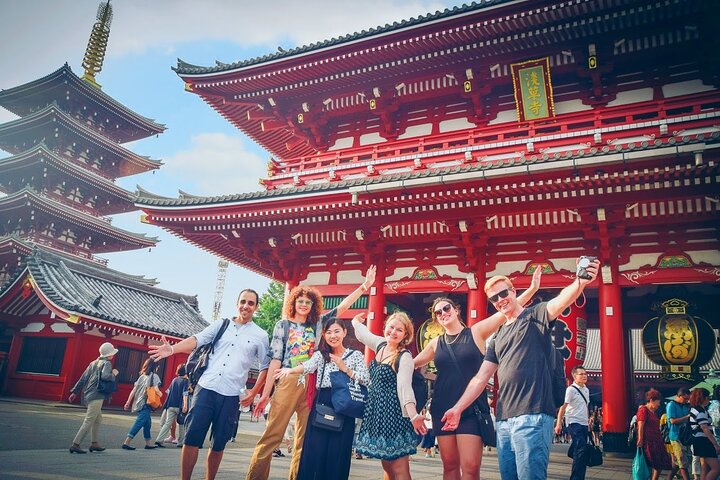
Senso-ji Temple
9 Guide To Sensoji Temple, Asakusa | Tokyo Cheapo Senso-ji is Tokyo's oldest Buddhist temple, significant as a major religious site dedicated to Kannon (Goddess of Mercy), a symbol of Tokyo (especially via its Kaminarimon Gate), a cultural hub for festivals like Sanja Matsuri, and a popular tourist destination with the historic Nakamise-dori shopping street leading to its main hall. Its origin dates to 628 AD, rooted in the legend of two brothers finding a statue of Kannon in the Sumida River, making it a cherished place for prayers, fortune-telling (Omikuji), and experiencing traditional Japanese spirituality and commerce.
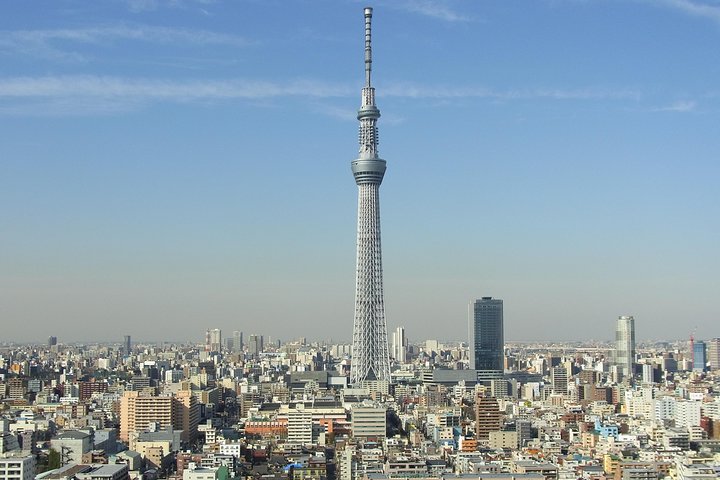
Tokyo Skytree
Tokyo Skytree is the highest stand-alone broadcasting tower in the world. The view from the Observation Deck and TEMBO GALLERIA is higher than Mt. Inasa (333 m) in Nagasaki Prefecture, one of the new Top Three Nightscapes of Japan, and it has become a leading brand among Japan's many famous nightscape locations.
Nakamise Shopping Street (Kaminarimon)
Get a feel for old-school Tokyo at one of Japan's oldest shopping streets, Nakamise-dori, which dates back to the 17th century. Most shops in this arcade have been run by the same families for several generations, serving souvenirs, top-class street food and irresistible snacks
Imperial Palace
The current Imperial Palace (皇居, Kōkyo) is located on the former site of Edo Castle, a large park area surrounded by moats and massive stone walls in the center of Tokyo, a short walk from Tokyo Station. It is the residence of Japan's Imperial Family. Edo Castle used to be the seat of the Tokugawa shogun who ruled Japan from 1603 until 1867. In 1868, the shogunate was overthrown, and the country's capital and imperial residence were moved from Kyoto to Tokyo. In 1888 construction of a new Imperial Palace was completed. The palace was once destroyed during World War Two, and rebuilt in the same style, afterwards.
Meiji Jingu Shrine
Meiji Shrine is a Shinto shrine in Shibuya, Tokyo, that is dedicated to the deified spirits of Emperor Meiji and his wife, Empress Shōken. The shrine does not contain the emperor's grave, which is located at Fushimi-momoyama, south of Kyoto
Takeshita Street (Takeshita-dori) is Tokyo's vibrant, 350-meter-long pedestrian shopping lane in Harajuku, famous as the heart of Japan's "kawaii" (cute) culture, packed with unique fashion boutiques, accessory shops, themed cafes, and iconic sweets like elaborate crepes, attracting youth and tourists for trendy, colorful, and often quirky finds. It's especially busy with crowds and pedestrians-only from 11 AM to 6 PM daily, offering a sensory overload of Japanese youth culture and street food.
Shibuya Crossing
During its busiest times, an estimated 1,000 to 2,500 people forge their way across this intersection every two minutes, enough to quickly fill up a football stadium. The phenomenon gave rise to its nickname "scramble," as pedestrians cross from all directions
Hachiko
The Hachiko Statue was erected in 1935 based on the real story of the loyal Akita dog Hachiko. The image of Hachi waiting daily at Shibuya Station for its owner struck a chord, making the dog so popular that a statue was built at the station. Even today, the Hachiko Statue remains a standard meeting spot in Shibuya.
Bao gồm
Private transport only for your group
Highway raid toll tax, Gasoline
Entrance fees or any place or activity
Food drink
Overtime charge 5000¥ per extra hour after 10 hours Hotel to Hotel Time
Điểm đón
Chọn điểm đón
Tùy chọn
Van Type Car
Van Type Car
Pickup included
1 to 13 person Van Car
Van type Car 14 seater
Pickup included
Đánh giá
1 đánh giá
Tổng số đánh giá và xếp hạng từ Viator & TripAdvisor
Vehicle unlicensed!! Buyer beware
L8035TFmonikag,,22 thg 10, 2025
- Đánh giá từ Tripadvisor
1.00After taking payment, This company hired a non licensed tour driver to take us around Haroshima . We got pulled over by Japan police to find out it was illegal of him to be driving passengers. We did not stay around to see if he was even licensed himself. Unprofessional, and really unsafe.



Trải nghiệm liên quan






Vận hành bởi NIHON HORIZON TOUR